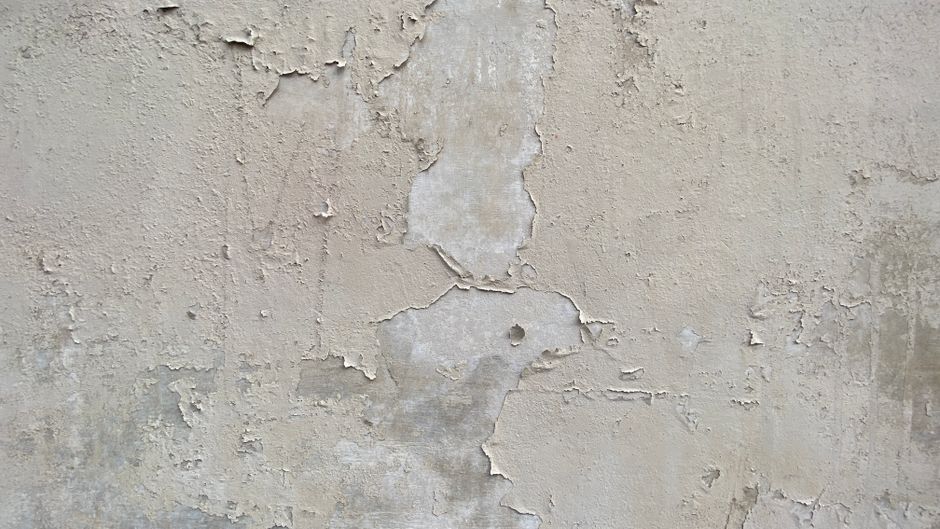
Walk through almost any Hamilton home built before 1960 and you’ll find plaster walls – thick, hard, and built to last. Walk through anything built after 1970 and you’ll find drywall. Both are common in Hamilton’s diverse housing stock, and homeowners regularly ask us the same question: which is actually better, and what should I use when it’s time to repair or renovate?
The honest answer depends on your home, your goals, and your budget. Here’s the full breakdown.
What’s the Difference Between Plaster and Drywall?
Traditional Plaster
Plaster walls are built in multiple layers – typically a scratch coat, brown coat, and finish coat – applied over wood lath (thin horizontal strips) or metal mesh. The result is an extremely hard, dense wall that’s naturally soundproof and fire resistant. Plaster walls in Hamilton homes from the 1920s through 1950s are often in remarkably good condition today, a century after installation.
Modern Drywall
Drywall – also called gypsum board, wallboard, or sheetrock – is a panel of gypsum plaster pressed between two sheets of paper. It’s faster to install, easier to repair, and significantly cheaper than plaster. It became the standard in North American construction in the 1950s and 60s and remains dominant today.
Plaster vs. Drywall: Head-to-Head Comparison
| Factor | Plaster | Drywall |
|---|---|---|
| Durability | Extremely hard, lasts 100+ years | Softer, more prone to dents and holes |
| Soundproofing | Superior – dense and thick | Good but not as effective |
| Fire resistance | Excellent | Good (Type X drywall is fire-rated) |
| Repair difficulty | High – requires skill to match | Straightforward for experienced contractors |
| Repair cost | Higher – specialized labour | Lower – widely available materials |
| Installation speed | Slow – multi-coat, drying time | Fast – panels go up quickly |
| Moisture resistance | Better in original form | Depends on product (green/purple board) |
Should You Repair or Replace Plaster in an Older Hamilton Home?
This is the most common question we get on heritage homes in Hamilton’s lower city, Durand, and Kirkendall neighbourhoods. Here’s our honest take:
Repair plaster when:
- The damage is isolated – cracks, small holes, or detached sections in otherwise solid walls
- You want to preserve the sound and feel of the original walls
- The home has heritage character you want to maintain
- The underlying lath is still solid and secure
Replace with drywall when:
- The plaster is failing in large sections – crumbling, sagging, or completely detached from lath
- There’s evidence of moisture damage or mould behind the plaster
- You’re doing a full renovation and want a consistent, smooth modern finish
- Electrical or plumbing work requires opening the walls anyway
Before making any decision on an older Hamilton home, it’s worth understanding the signs that your walls need professional attention – some indicators that look like cosmetic plaster issues are actually structural warning signs that need a different approach entirely.
What Does Plaster Repair Actually Cost in Hamilton?
Plaster repair costs more than drywall repair because it requires skilled labour and specific materials. For Hamilton homeowners, expect to pay a premium of 30-50% over equivalent drywall repair pricing. Our Hamilton drywall repair cost guide covers current 2026 pricing that serves as a useful baseline – plaster repair sits above those figures.
The Verdict for Hamilton Homeowners
If your older Hamilton home has plaster walls in good condition, preserve them – they’re genuinely superior in sound and feel, and they add character that drywall can’t replicate. If they’re failing, transition to drywall with confidence. Modern drywall done well is an excellent product that will serve your home for decades.
Not sure which situation you’re dealing with? Our team assesses both plaster and drywall repairs across Hamilton. For a full picture of what professional repair looks like and what to expect, read our complete guide to professional drywall repair near me in Hamilton. Contact us today for a free estimate.
Whether you’re dealing with drywall or plaster, the same question applies before you start: is this a DIY fix, or do you need a professional? Our honest DIY vs. pro breakdown can help you decide.
Older homes with plaster or original drywall are especially prone to humidity-related issues in the summer months. Our guide on why summer is the best time to fix moisture damage covers what to look for before it gets worse.
Whichever material your older Hamilton home turns out to have, the paint finish is what ultimately decides whether a repair is noticeable. Our guide on how to match paint after a drywall repair in Hamilton covers the priming, feathering, and sheen-matching techniques that apply whether you’re patching drywall or blending in with original plaster.
Whichever material your older Hamilton home turns out to have, the same question comes up once a patch is finished: can you paint over drywall repair right away? The curing timeline shifts slightly for plaster, but the core priming rule still applies.
Older Hamilton homes aren’t the only ones seeing wall damage from trendy upgrades – see how LED strip lighting installs are affecting drywall in newer builds. And if you’re drawn to a textured, hand-troweled look, see how limewash and Venetian plaster trends actually work over drywall.
One of the most common mix-ups homeowners make is treating drywall and plaster as interchangeable – it is just one of several drywall myths Hamilton homeowners still believe worth clearing up.
Older homes with original plaster often predate 1990 too, which raises the same testing question. See what Hamilton homeowners should know about asbestos before touching older drywall or ceilings before starting any repair on a pre-1990s wall.
Leave a Reply