Most Hamilton homeowners think about their drywall when something goes wrong – a crack appears, a hole needs patching, water stains show up after a leak. But the smartest approach to drywall maintenance is getting ahead of damage before Ontario’s winter creates the conditions for it. Here’s a practical checklist for preparing your home’s walls and ceilings before the cold sets in.
Why Winter Is Hard on Hamilton Drywall
Ontario winters put specific stress on residential drywall through a combination of factors that don’t affect homes in milder climates. Understanding them helps you know where to look during a pre-winter inspection.
- Freeze-thaw cycles – Repeated freezing and thawing causes foundation movement and framing shifts that show up as cracks around doors, windows, and ceiling joints
- Ice dams – When warm air escapes through the roof and melts snow that refreezes at the eaves, meltwater backs up under shingles and finds its way into walls and ceilings
- Humidity swings – Indoor humidity drops significantly in winter as heating systems run continuously, causing drywall and framing to dry and contract, sometimes cracking compound at seams
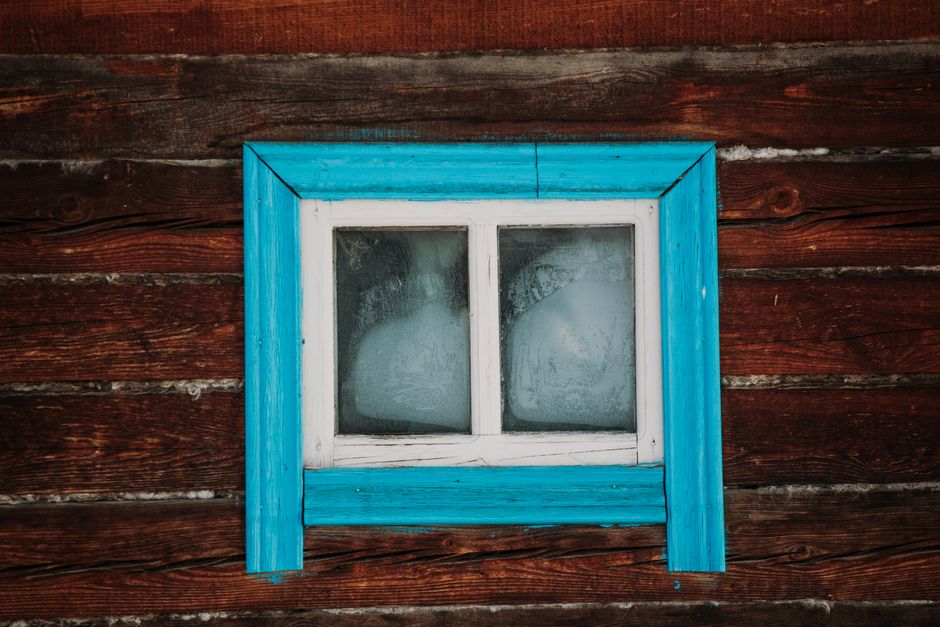
- Window condensation – Cold windows produce condensation that can saturate drywall around window frames and casings if not properly sealed
Pre-Winter Drywall Inspection Checklist
1. Check All Window Frames for Soft or Stained Drywall
Run your fingers along the drywall edges around every window in your home. Soft spots, bubbling paint, or yellow-brown staining indicates moisture has already been absorbed. Address these before winter – wet drywall around windows only gets worse as condensation increases through the cold months. This is especially relevant if you’ve been following the drywall window return trend, which removes the protective trim that normally shields this area.
2. Inspect Ceiling Corners in Exterior Rooms
The junction between the ceiling and exterior walls is where ice dam water most commonly enters. Look for staining, bubbling paint, or soft spots in ceiling corners of bedrooms and living rooms on the top floor. Even small stains indicate a pathway that will worsen under winter snow loads.
3. Walk Your Basement Perimeter
Basement walls absorb ground moisture year-round, but freeze-thaw cycles push water through foundation cracks in winter more aggressively. Check drywall at the base of basement walls for softness, staining, or mould. If you find it, see our complete guide to drywall repair after water damage for next steps.
4. Check Caulking Around Windows and Door Frames
Failed caulking at window and door frames is one of the most common entry points for winter moisture. Cracked, shrunk, or missing caulk allows cold air and moisture infiltration that damages the drywall behind the frame. This is a straightforward DIY fix before winter that prevents a professional repair call in February.
5. Address Any Existing Cracks Now
Small cracks in drywall that you’ve been ignoring will often widen over winter as framing moves through temperature cycles. A – crack repair now prevents a + repair that includes multiple widened cracks and water infiltration by spring. Our Hamilton drywall repair cost guide breaks down what these repairs cost so you can budget ahead.
Humidity Management: The Overlooked Factor
Keeping indoor relative humidity between 35-45% through winter reduces the amount of contraction and expansion your drywall goes through each season. At lower humidity levels, joint compound becomes brittle and hairline cracks at seams become more common. A whole-home humidifier connected to your furnace is the most effective solution for Hamilton homes.
When to Call Before Winter – Not After
If your pre-winter inspection turns up soft spots, staining, active cracks, or anything that suggests moisture is already present in your walls, don’t wait until spring. Water damage that sits through a Hamilton winter compounds significantly. Hamilton Drywall Repair books fall pre-winter repairs throughout September and October – contact us now to get on the schedule before the rush.
Related Reading
- Drywall Repair After Water Damage in Ontario: A Step-by-Step Guide
- The Viral Drywall Window Return Trend Is Damaging Hamilton Homes
- Drywall Repair Cost Guide for Hamilton, Ontario (2026)
Winter prep often means adding holiday or accent LED lighting to walls and ceilings — if that’s on your list, see what LED strip installs can do to your drywall before you start drilling clips into the wall.
If your winter prep project involves more than a repair — like finishing a basement — check whether it needs a permit before the drywall goes up. Details in our guide to permits and inspections for drywall renovation work in Hamilton.
Freeze-thaw movement is also a common cause of the corner cracks that show up around windows and doors each winter – see how to properly repair drywall around windows and doors in Hamilton if you are seeing this pattern already.
Leave a Reply