One of the most common questions we get from Hamilton and Ancaster homeowners staring at cracked, wavy, or dated walls is simple: do I need a full drywall replacement, or can a skim coat fix it? The honest answer depends on what’s actually wrong underneath — and getting this call wrong is an expensive mistake in either direction.
What a Skim Coat Actually Fixes
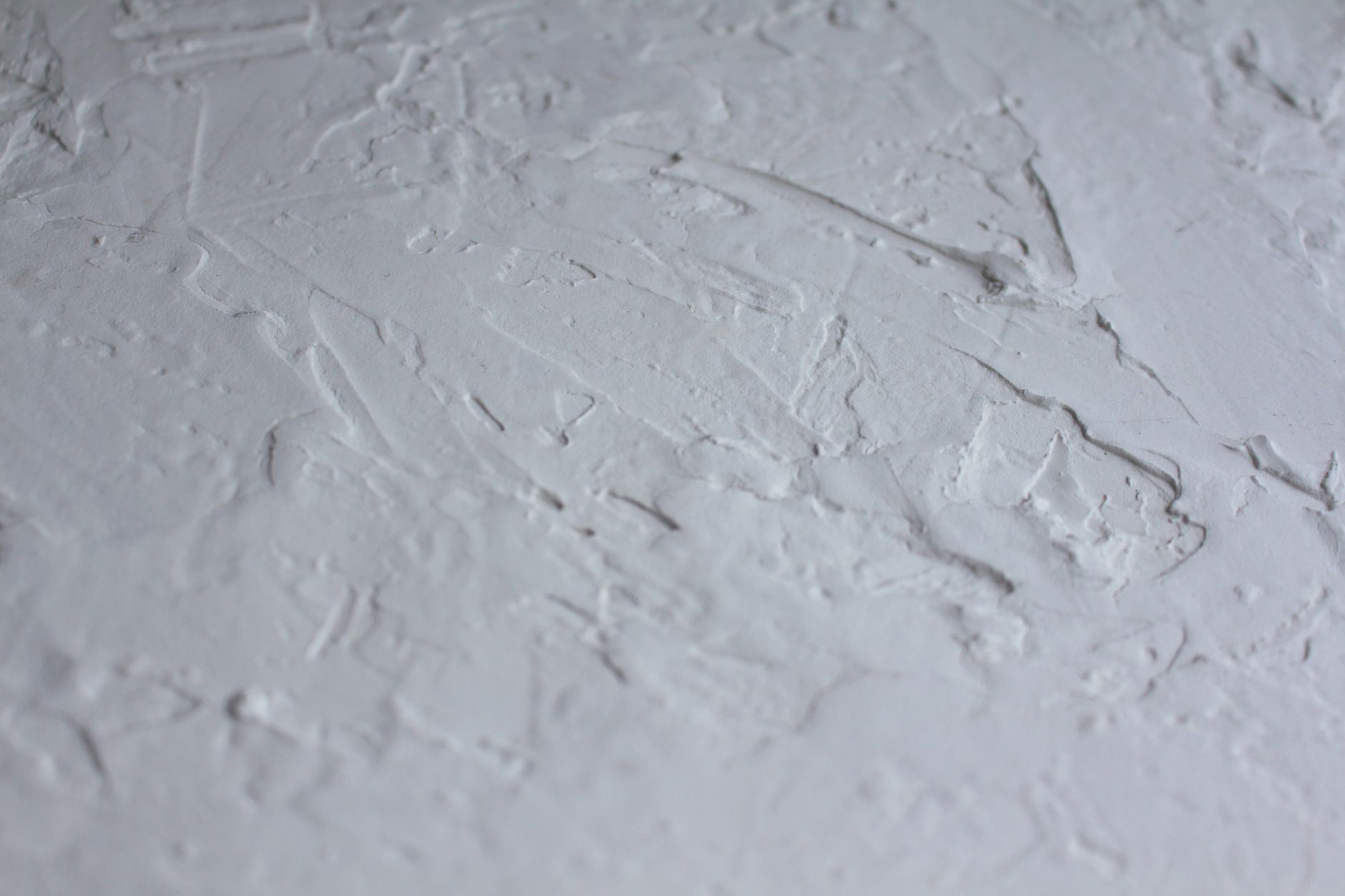
A skim coat is a thin layer of joint compound applied over the entire wall surface to smooth out texture, minor imperfections, or years of patchwork repairs. It’s the right call when the drywall itself is structurally sound — no water damage, no soft spots, no significant cracking along seams — but the surface looks tired or inconsistent. We use it often on older Hamilton homes where a previous owner did DIY patch work over the years and the wall has a lumpy, uneven history.
When Skim Coating Is Just Delaying the Inevitable
Skim coating over drywall that has water damage, mould, or structural cracking doesn’t fix the underlying problem — it hides it temporarily. We see this constantly on jobs that started as a DIY patch attempt and turned into a full tear-out six months later because the real issue was never addressed. If you’re seeing cracks that keep coming back in the same spot, staining, or any softness when you press the wall, that’s a sign the board itself needs to come out.
Signs You Need Full Replacement, Not a Skim Coat
- Cracks that reopen within weeks of being patched
- Any water staining, even if it looks dry now
- Soft, spongy, or crumbling drywall when pressed
- Popcorn or textured ceilings being removed entirely — skim coating over popcorn removal debris is a common shortcut that fails, as we covered in our popcorn ceiling removal guide
- Walls in older Hamilton homes where the underlying material is actually plaster, not drywall — a different repair approach entirely, as we explained in our drywall vs. plaster comparison
The Cost Trade-Off
A skim coat typically runs – per square foot depending on wall condition, while full drywall replacement runs significantly higher once you factor in tear-out, disposal, and refinishing. The trap homeowners fall into is choosing the cheaper skim coat on a wall that needed replacement, then paying for both the skim coat and the eventual replacement within the same year.
Bottom Line
If your walls just look dated or unevenly patched, a skim coat is a smart, cost-effective fix. If there’s any sign of water damage, structural movement, or repeated cracking, skip straight to replacement — it’ll cost less in the long run than paying for a temporary fix twice. Not sure which one your Hamilton home needs? Reach out to Hamilton Drywall Repair for a free, honest assessment before you spend a dollar.
Leave a Reply